
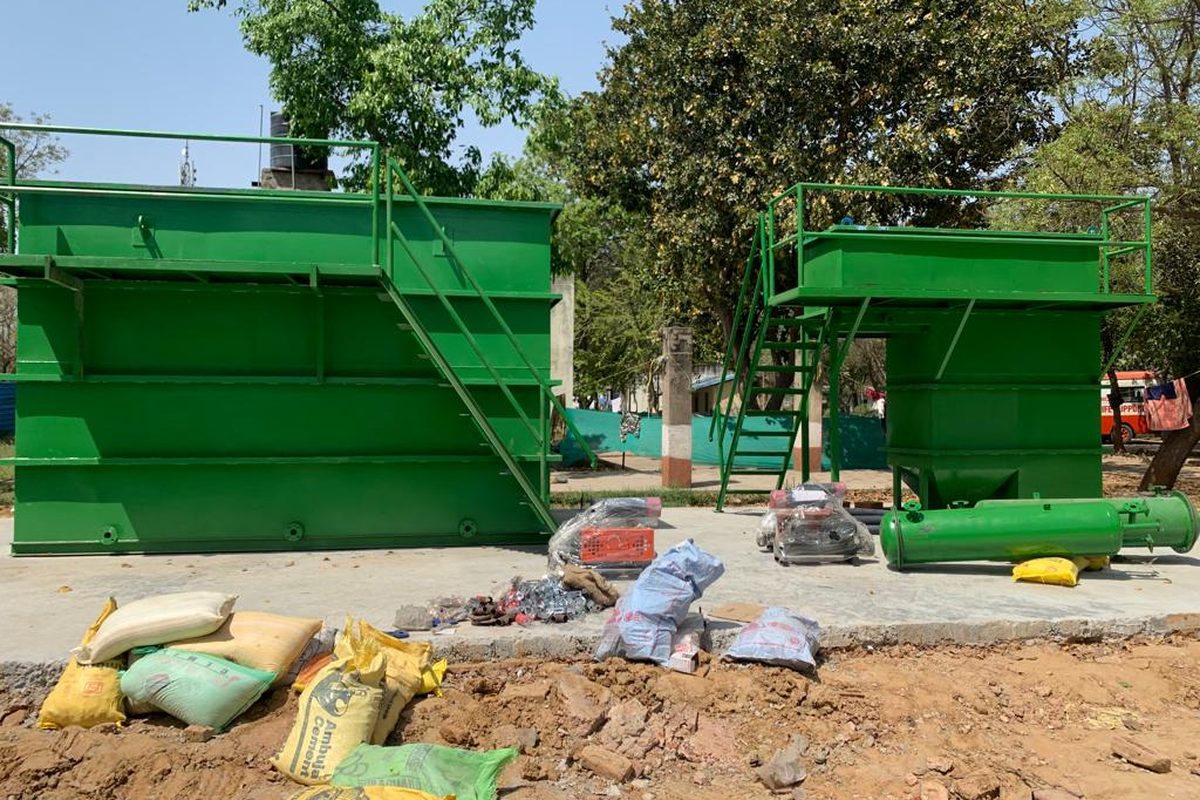
The cheapest water is the water you already paid for
Delhi supplies water it does not have, from sources that are already stressed. Recovering and reusing water inside a building is the fastest thing a site can do about that, and it usually pays for itself.
How we design for reuse
Reuse is not a statement in a brochure. It is a set of decisions that either get made at design stage or do not.
- Treated waste water put back to work. Flushing, gardens, cooling tower make-up and washing are all served by properly treated water, which is that much less fresh water bought in.
- Reject water recovered rather than drained. Reject from a well-designed plant is often perfectly usable for flushing and irrigation.
- Recovery designed in, not bolted on. It is cheap to get right at design stage and expensive to fix afterwards.
- Systems that waste less. Where the supply suits it, electronic purification recovers far more of the water than a conventional plant.
- Energy taken seriously. Pumps sized correctly, variable drives where the load varies, and aeration controlled rather than run flat out.
- Plants that keep performing. The greenest plant is one still meeting its design figures in year five, which is a maintenance question.
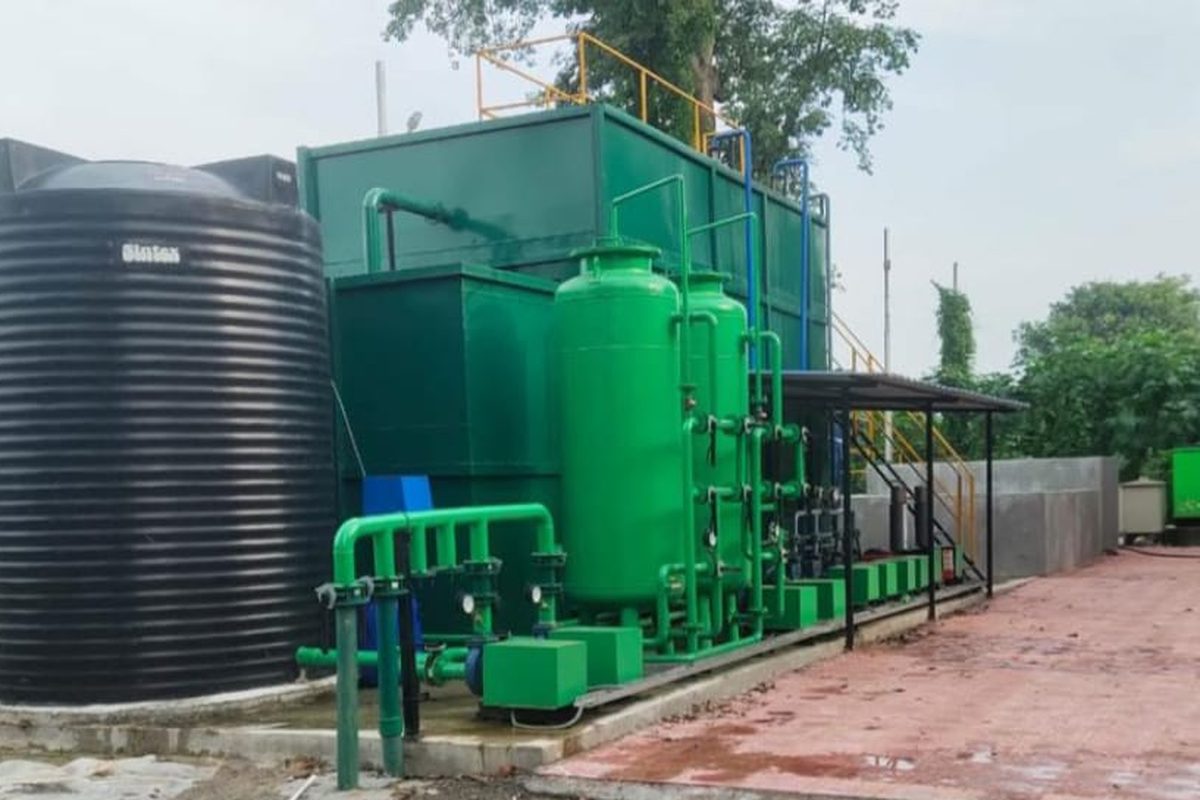
Compliance
Designing to the standard that applies
Reuse standards differ by state pollution control board and by what the water will be used for. We fix the design to the standard your site has to meet and confirm it in writing before anything is built.
- Treated water specification agreed before the design is frozen
- Sampling points built in so performance can be verified
- Water test records maintained through the maintenance contract
- Operating logs kept in a form that survives an inspection
- Existing plants upgraded where they no longer meet the standard
- Written confirmation of the applicable norm before fabrication
Want to know what your site could recover?
Send us your water and waste water figures. We will come back with a realistic estimate and what it would take to get there.